

Energy security has returned to the forefront of discussion, but the nature of the challenge is evolving.
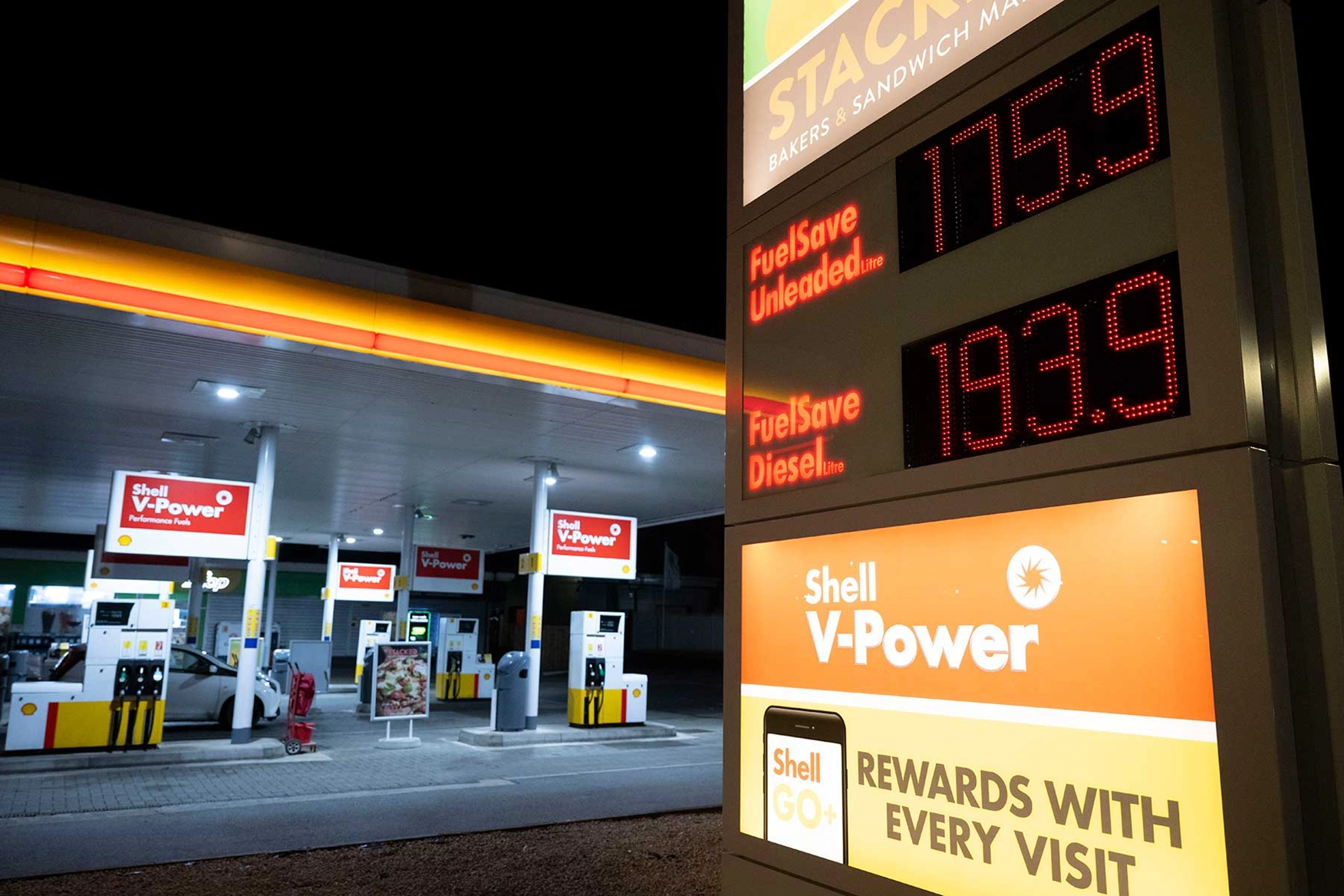
Recent global developments have brought this into sharper focus from two distinct directions.
Although these trends originate from very different sources, they point towards the same conclusion. The foundations of energy security are shifting.
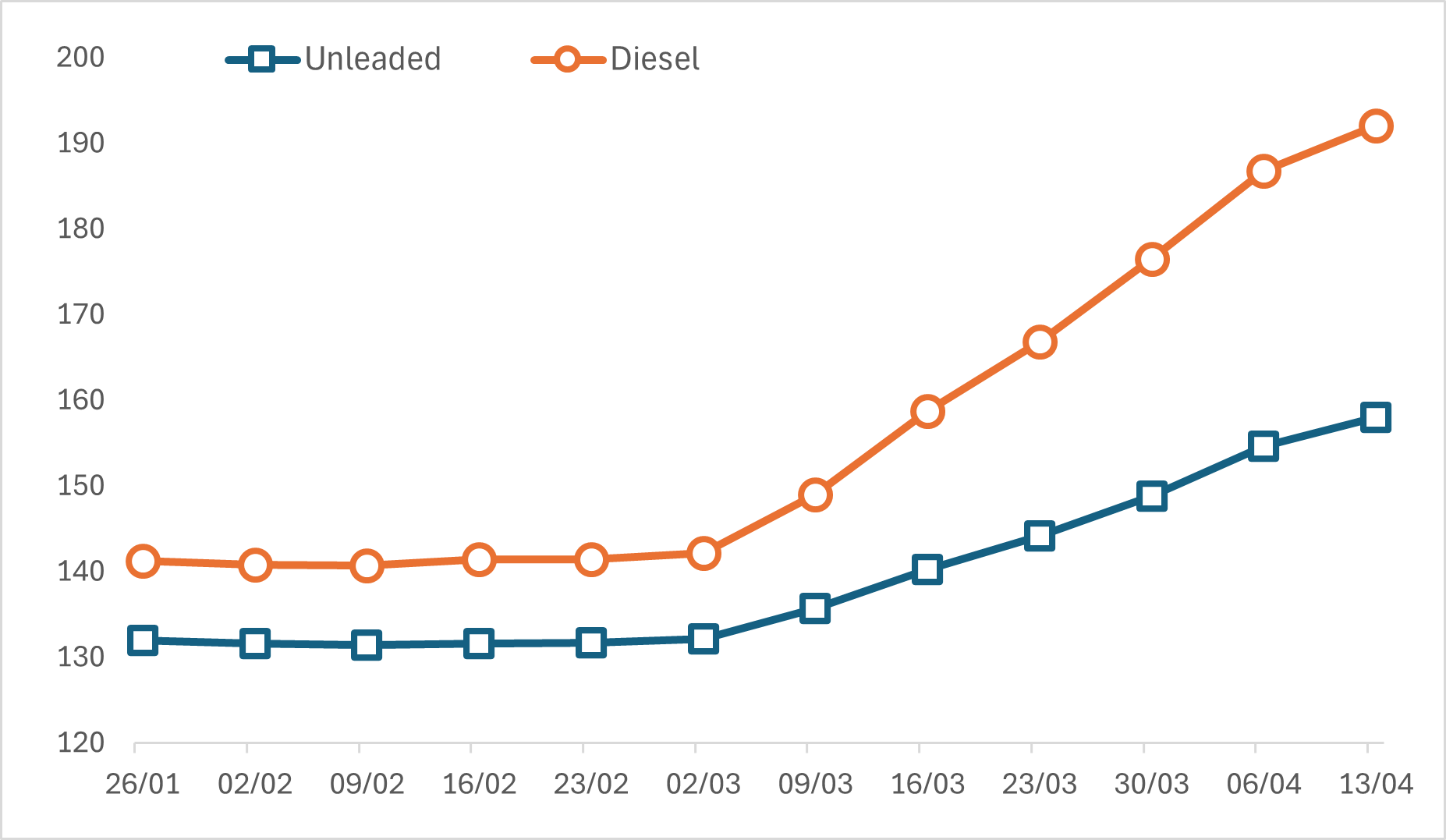
For many years, energy security was largely understood in terms of supply. The central question was whether sufficient fuel could be sourced and delivered to meet demand. As long as supply chains remained intact, the system was considered stable.
That assumption is now being tested.
Geopolitical events such as the Iran War continue to demonstrate how quickly energy prices respond to perceived risk. Even in countries with stable physical supply, exposure to global fuel markets means that volatility can be felt almost immediately.
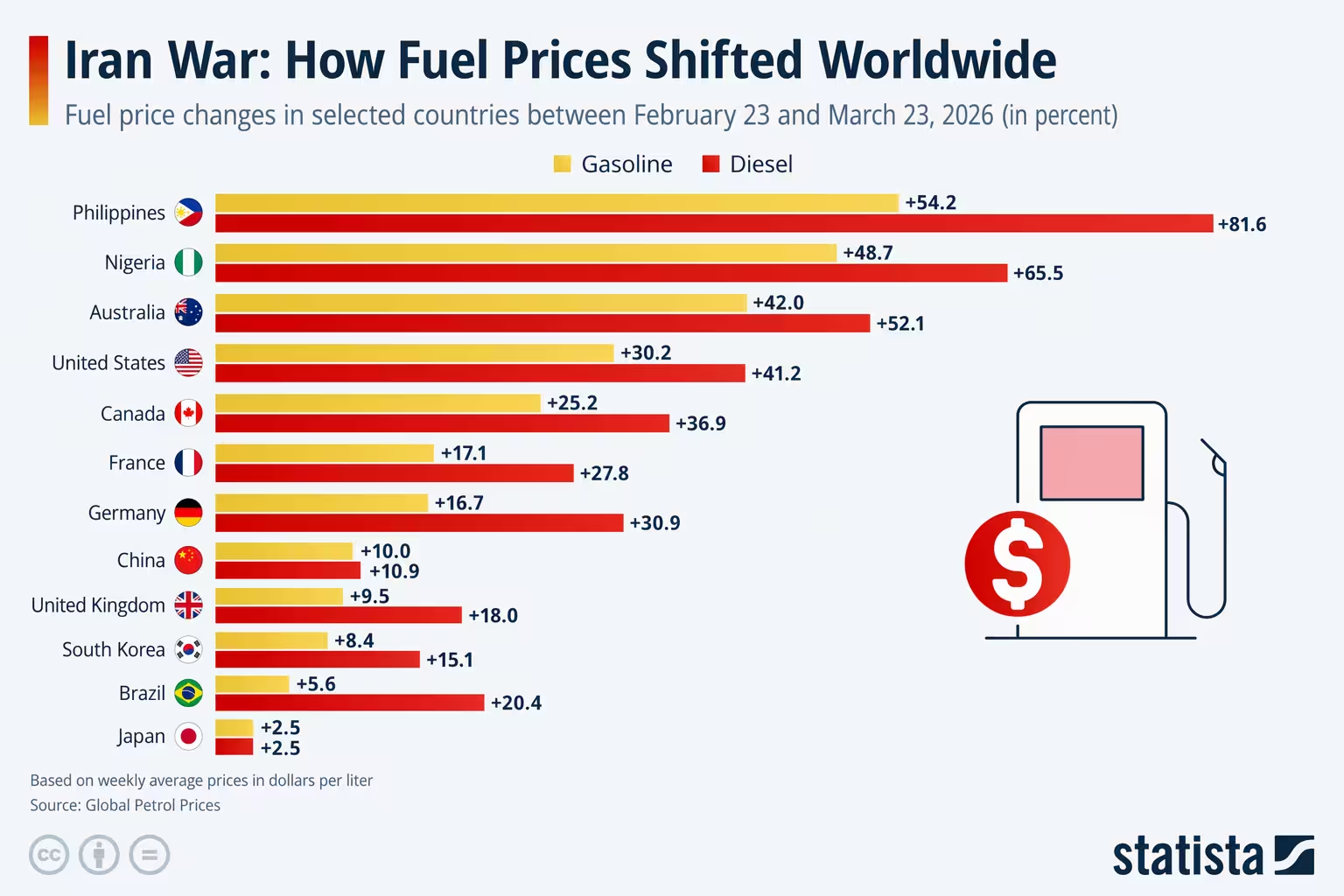
Adding to this is a growing layer of political unpredictability. Frequent and often rapid changes in policy direction, including recent shifts in position by Donald Trump, have contributed to repeated market reactions. Prices are no longer responding solely to actual supply disruptions, but increasingly to signals, statements, and uncertainty.
For businesses and households, this creates an environment where energy costs are harder to predict and even harder to control.
At the same time, a structural change is underway, as the growth of AI and digital infrastructure is placing new and sustained pressure on electricity systems.
Data centres operate continuously and require extremely high levels of reliability.

This represents a fundamentally different type of load from traditional energy users. It is not cyclical or flexible, but persistent and growing.
As a result, infrastructure that was designed for a different energy landscape is now being pushed towards its limits.
As supply volatility and demand growth converge, the limitations of the current system are becoming more apparent.
In many regions, including the UK, grid capacity is emerging as a critical constraint. Connection timelines are extending, and access to sufficient power is increasingly influencing where and how developments can proceed.
In some cases, energy availability is becoming a limiting factor for growth.
This marks an important shift. Energy security is no longer defined solely by the availability of supply. It is increasingly shaped by the ability to deliver energy reliably, at a predictable cost, and in the locations where it is needed.
For businesses, the implications are significant.
Energy can no longer be treated simply as an operational expense. It is becoming a core component of risk management and long-term planning.
Exposure to global markets introduces cost volatility. Dependence on constrained infrastructure introduces uncertainty in access. Together, these factors create a more complex and less predictable operating environment.
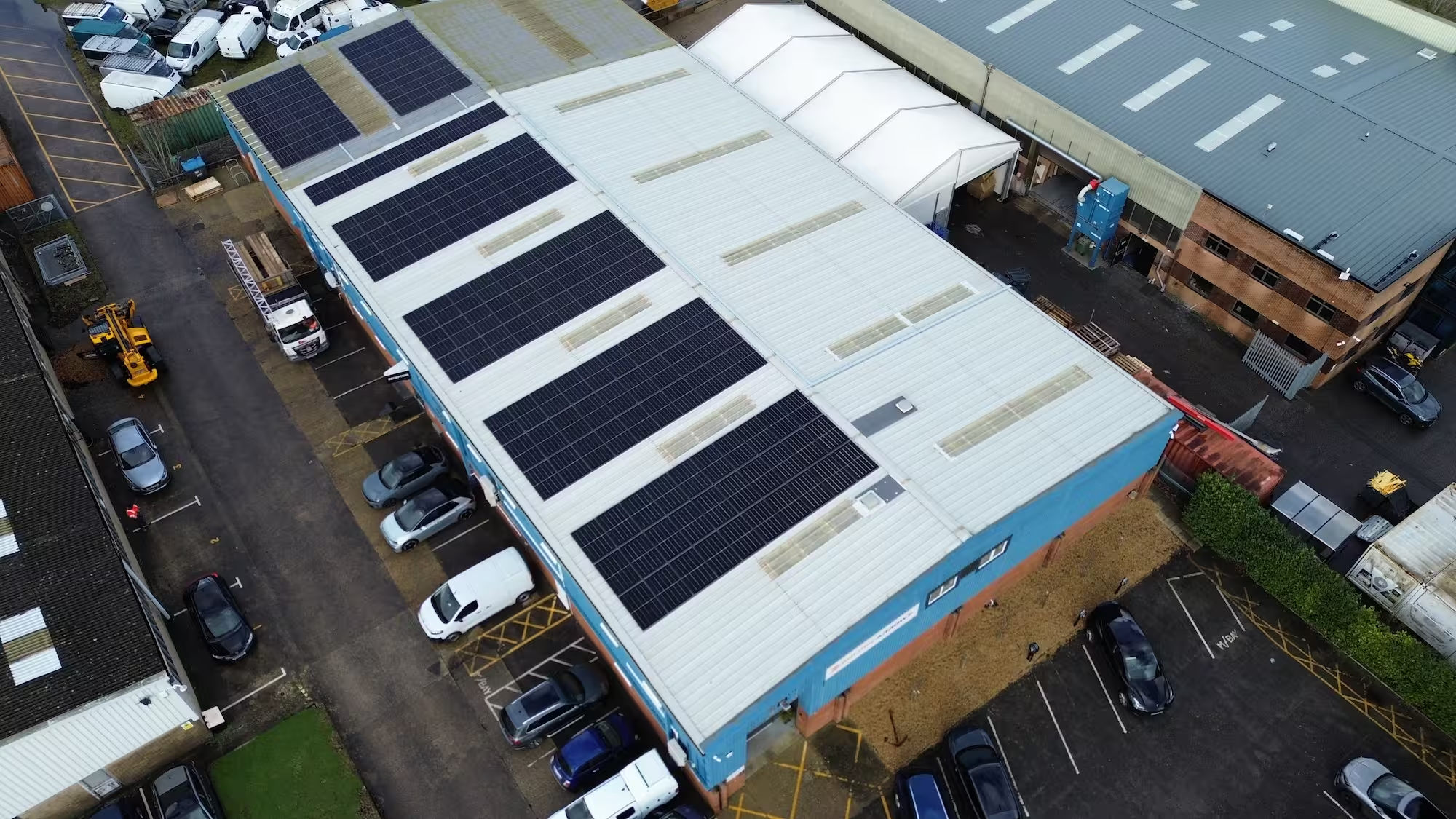
Energy is moving from the background to the centre of strategic decision-making.
In response, organisations are beginning to rethink how energy is sourced and managed.
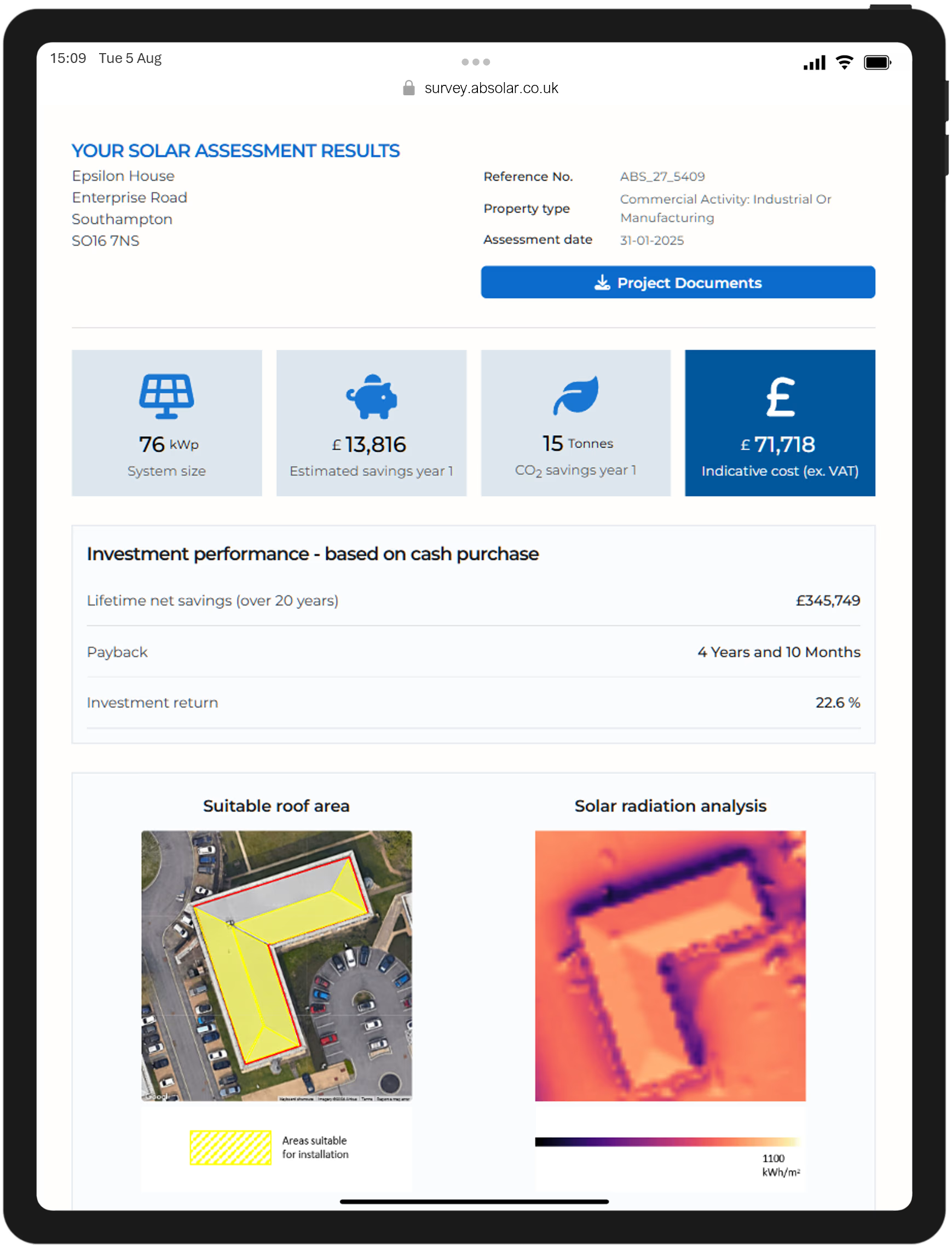
There is growing interest in bringing energy generation closer to the point of use. On-site generation, energy storage, and more advanced management systems are being explored not only for their economic benefits, but for the greater degree of control they provide.
This reflects a broader shift in perspective.
Energy is no longer viewed solely as something to be purchased. It is increasingly something to be designed, managed, and secured.
The transition to renewable energy has often been framed in terms of sustainability and environmental responsibility. While these remain important, they are no longer the only drivers.
Energy transition is increasingly about resilience, stability, and control.
As geopolitical uncertainty and technological growth continue to reshape the landscape, the role of energy within organisations is changing rapidly. It is no longer sufficient to ask whether energy is available. The more relevant question is whether it can be relied upon, managed effectively, and secured against disruption.
In that sense, energy is no longer simply a utility. It is becoming a fundamental part of the infrastructure that underpins modern business operations.



Phill is a Chartered Engineer with over 15 years of experience in renewable energy assessment and energy efficiency interventions. With a PhD in City-wide Building Energy Assessment, his expertise is in energy modelling, solar simulation, GIS and city-wide energy infrastructure planning. In 2020, his work in GIS energy modelling has been awarded by the Royal Academy of Engineering for an Enterprise Fellow award.


© 2026 Absolar Solutions Limited