.png)







Installing commercial solar panels in Birmingham isn’t just a smart environmental decision - it’s a powerful financial and strategic investment for your business. Here are the top five reasons why more commercial property owners in Birmingham are making the switch to solar:
Birmingham benefits from high solar radiation levels in the UK, making it an ideal location for solar energy generation. By installing rooftop solar panels, commercial buildings can drastically reduce their electricity consumption from the grid and lower monthly energy bills. For Birmingham's commercial buildings, you can request a free solar survey here.
Using representative market values in Birmingham, a typical commercial solar project delivers around 30% Internal Rate of Return (IRR), with an average payback period of less than 4 years. With a lifespan of 30+ years, solar offers long-term energy price stability and strong financial performance.
Solar PV systems are considered a capital improvement that can significantly enhance the value of commercial properties. With access to asset-based finance through Absolar's Finance Partners, Birmingham-based property owners can unlock renewable energy solutions without upfront capital, helping to maintain healthy cashflow while upgrading the property's sustainability credentials.
When your solar system generates more power than your building consumes, Absolar enables your business to export the excess electricity back to the grid. By selling surplus energy to certified suppliers, you create a new income stream while supporting the UK's transition to cleaner energy.
More businesses in Birmingham are taking leadership roles in climate action. Installing commercial solar panels is one of the most effective ways to cut carbon emissions, reduce reliance on fossil fuels, and demonstrate your commitment to sustainability. Solar helps your organisation meet ESG targets and progress towards Net Zero.
That comes down to roof area, orientation, structural condition and shading, established for your specific building through our remote LiDAR survey. Birmingham has an unusually varied commercial economy, from large-scale food manufacturing to workshop-scale jewellery trade premises, canal-side converted warehouses and modern office campuses, so roof profiles differ considerably even within the city itself.
Often yes. Large-scale food manufacturing sites typically run refrigeration, processing and packaging equipment throughout the working day, giving high and consistent daytime electricity consumption alongside substantial factory roof space, a strong combination for solar economics. As with any manufacturing site, the actual numbers depend on your specific consumption pattern rather than the sector alone.
Often yes, though the numbers look different from a large factory or distribution shed. Many Jewellery Quarter businesses operate from smaller, sometimes multi-let premises with more modest roof areas, but workshops involved in jewellery making and precision work frequently run consistent daytime power for equipment, lighting and specialist processes, which supports a reasonable case for solar at a smaller scale. Much of the quarter also sits within a conservation area, so planning consent is likely to be needed rather than solar falling under permitted development.
Generally yes. Large office headquarters buildings typically have lower and more even daytime electricity intensity per square metre of roof than a factory or distribution unit, so getting the system sized against actual consumption matters more here than assuming a warehouse-style return. Sharing half-hourly consumption data lets us model this precisely.
Often yes, though they need closer checking than a modern unit. Former canal-side warehouses repurposed for offices, hospitality or mixed use frequently have decent roof areas, but roof condition, historic alterations and structural capacity vary considerably depending on the building's age and conversion history, and many sit within conservation areas where planning consent would be needed.
Large exhibition and event venues can offer substantial roof area over halls and back-of-house buildings, though the practicalities differ from a standard commercial roof. Structural loading, roof access and the building's operational patterns on event days all need proper individual assessment, so this is a site-specific conversation rather than a standard package.
For most commercial buildings, no, rooftop solar typically falls under permitted development rights. Listed buildings and the conservation areas covering parts of the Jewellery Quarter, the historic canal network and the city centre are the main exception, where planning consent is likely to be needed instead.
It varies by location, with established industrial and business areas generally having clearer capacity than some of the older connections closer to the city centre. We submit the DNO application early in every project to establish your specific position before you commit to a system size.
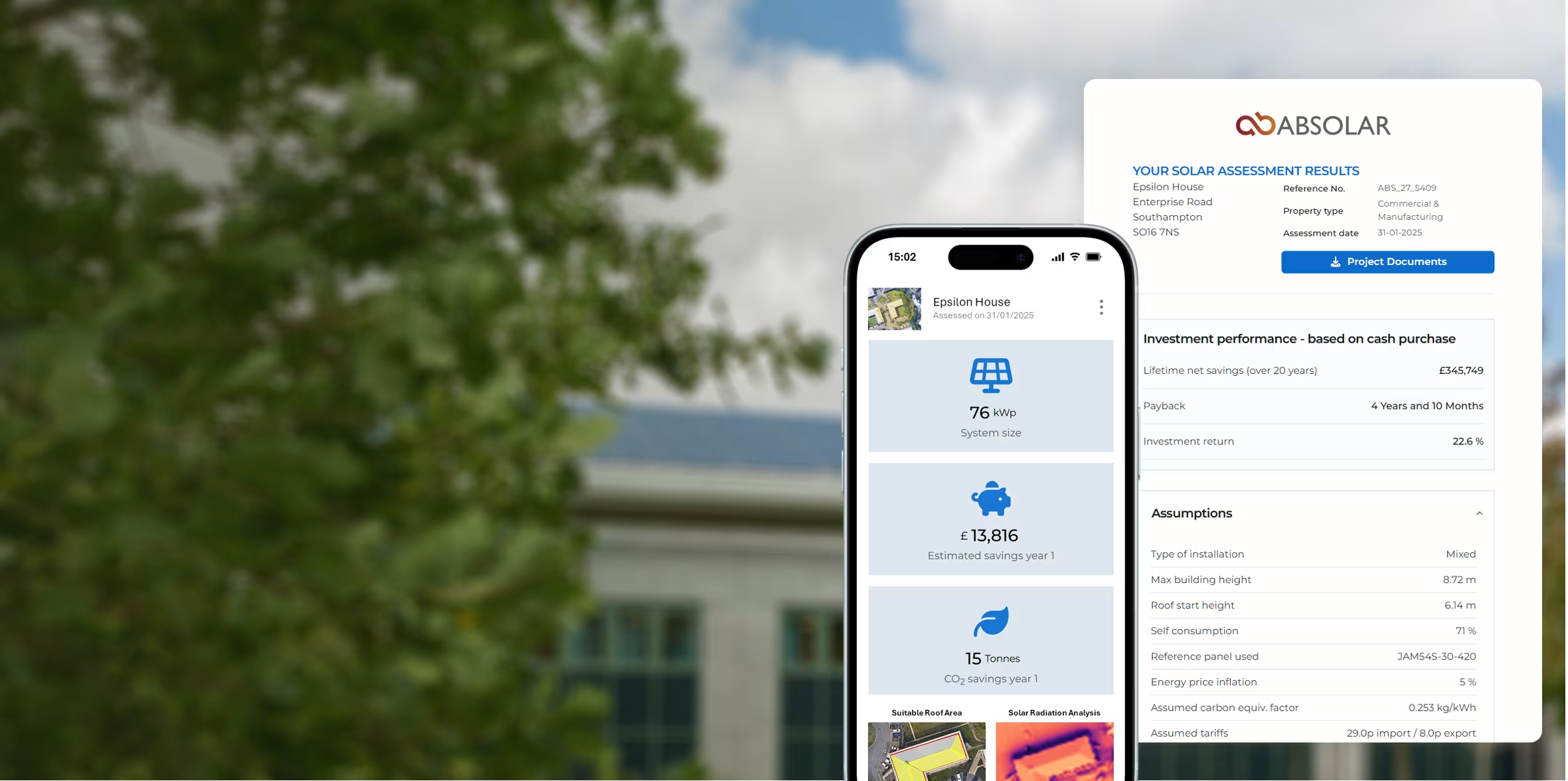
Request a free remote solar survey. We will model your specific roof using LiDAR data and send a costed report within 2 working days, with no site visit or obligation needed to get started.
Absolar are proud to support businesses across Birmingham in their transition to clean, renewable energy through expertly delivered commercial solar installations. From rooftop arrays on warehouses and office blocks to bespoke solar solutions for retail and hospitality venues, our team bring deep technical expertise and local knowledge to every project. We have helped organisations across the city reduce their energy costs, cut carbon emissions, and gain greater energy independence with systems tailored to their operational needs.
Birmingham is a city with bold sustainability goals, and we’re proud to be playing a role in supporting that ambition. Whether it's working with industrial parks or transforming commercial rooftops in the centre of the city, our cutting-edge AI technology and in-house design team ensure each project delivers long-term performance and maximum return on investment. With every installation, we’re not just helping businesses - we’re contributing to a greener, more resilient energy future for the region.




Absolar are proud to support businesses across Birmingham in their transition to clean, renewable energy through expertly delivered commercial solar installations. From rooftop arrays on warehouses and office blocks to bespoke solar solutions for retail and hospitality venues, our team bring deep technical expertise and local knowledge to every project. We have helped organisations across the city reduce their energy costs, cut carbon emissions, and gain greater energy independence with systems tailored to their operational needs.
Birmingham is a city with bold sustainability goals, and we’re proud to be playing a role in supporting that ambition. Whether it's working with industrial parks or transforming commercial rooftops in the centre of the city, our cutting-edge AI technology and in-house design team ensure each project delivers long-term performance and maximum return on investment. With every installation, we’re not just helping businesses - we’re contributing to a greener, more resilient energy future for the region.
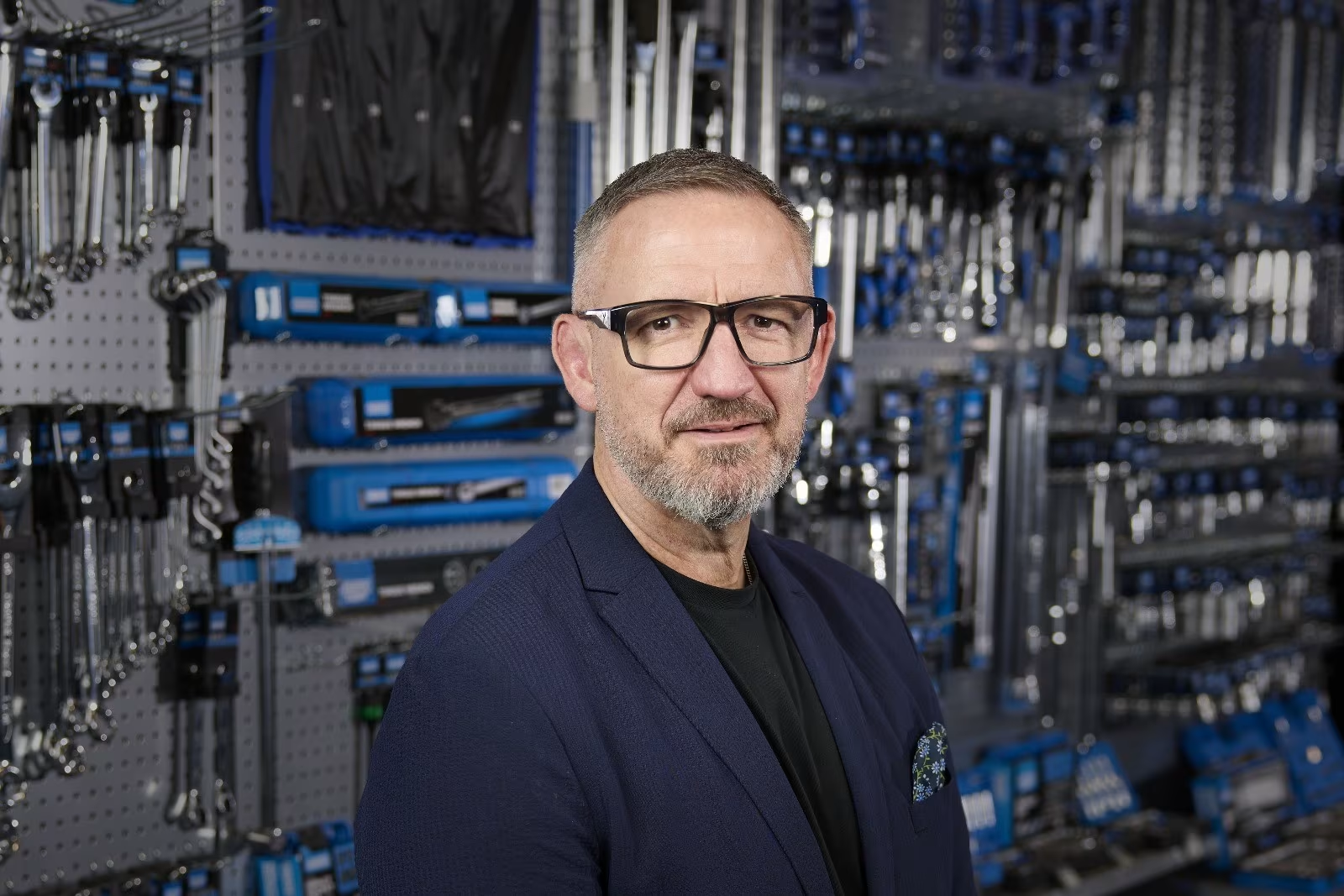



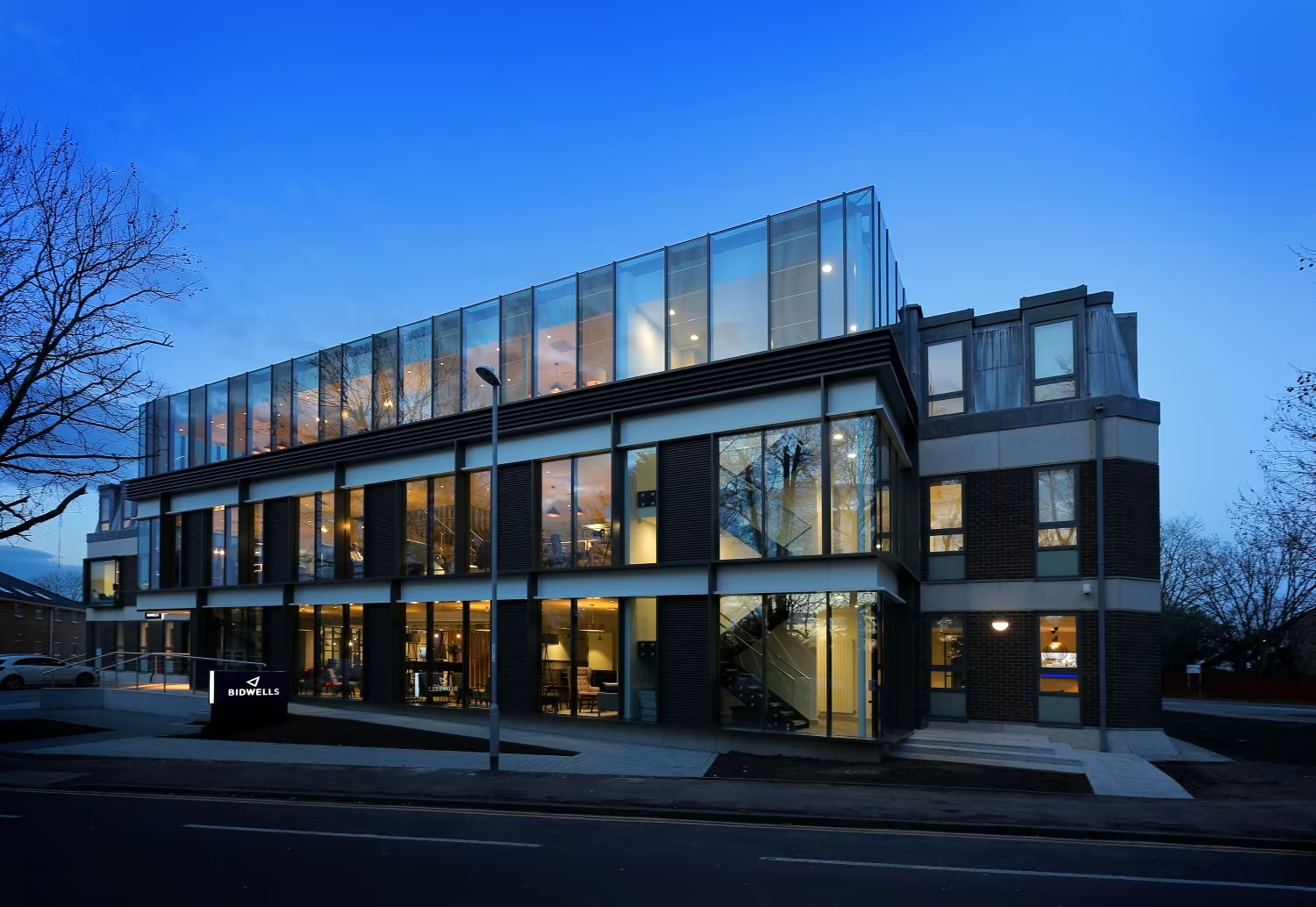

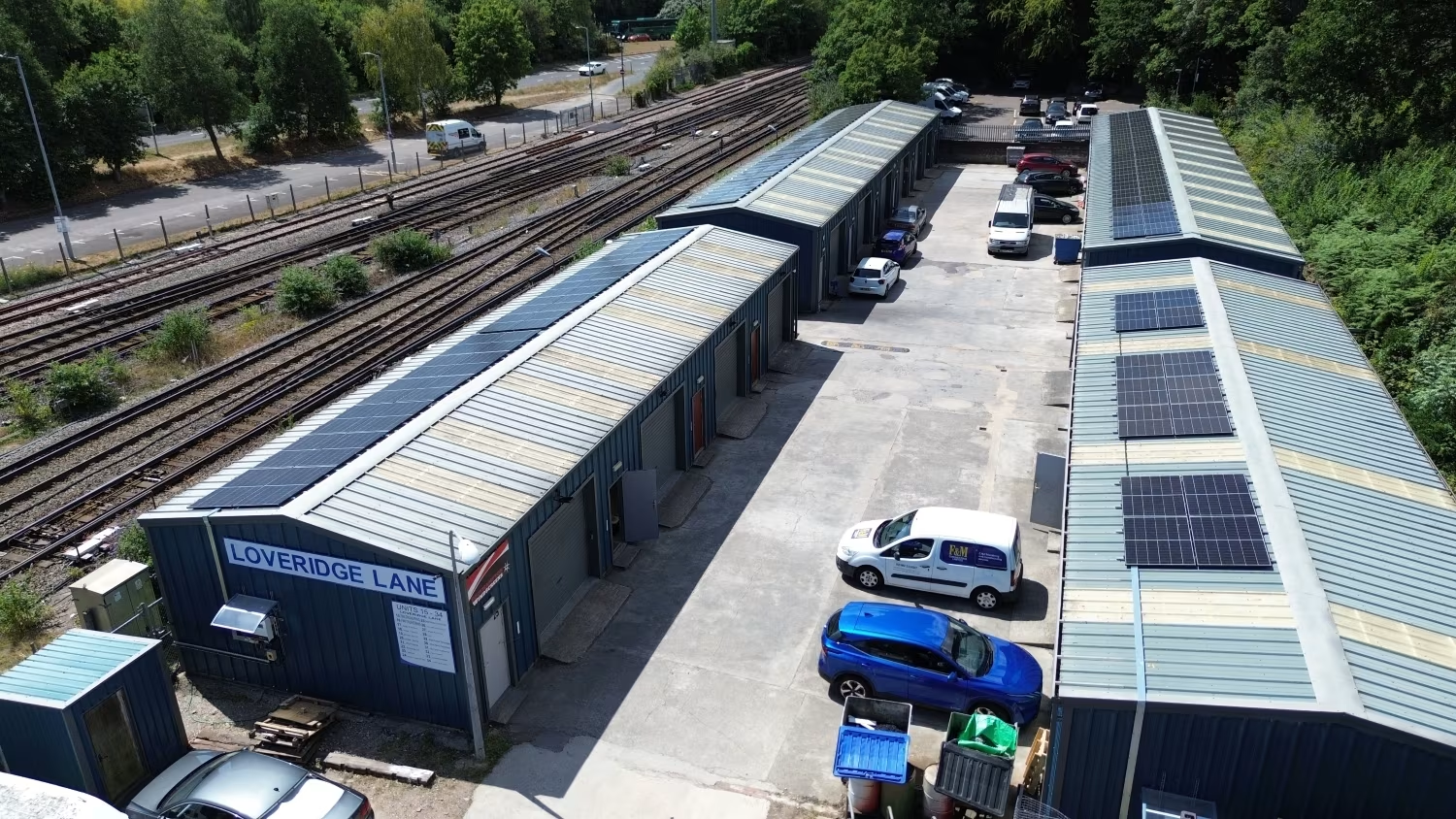

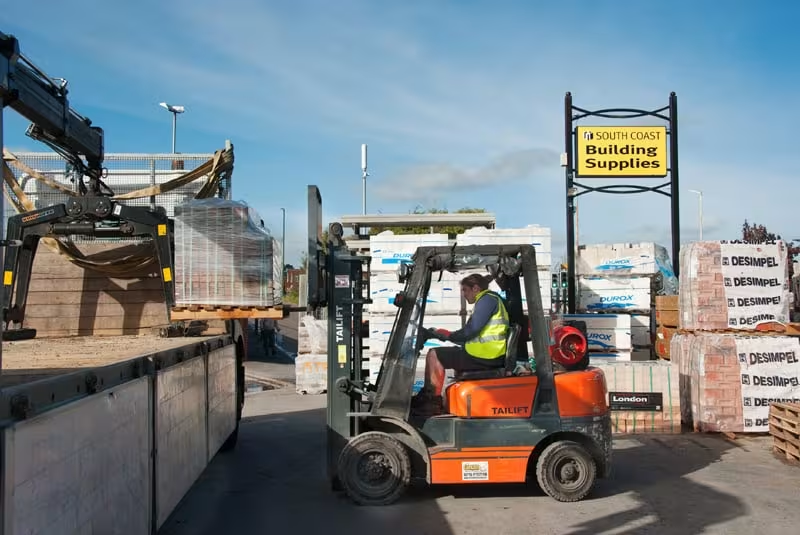


Across these sectors Absolar have installed solar PV systems that have successfully reduced energy bills without any disruption to their business operations.

Large roof space availability. Significant energy bill reduction with additional income stream from energy export.

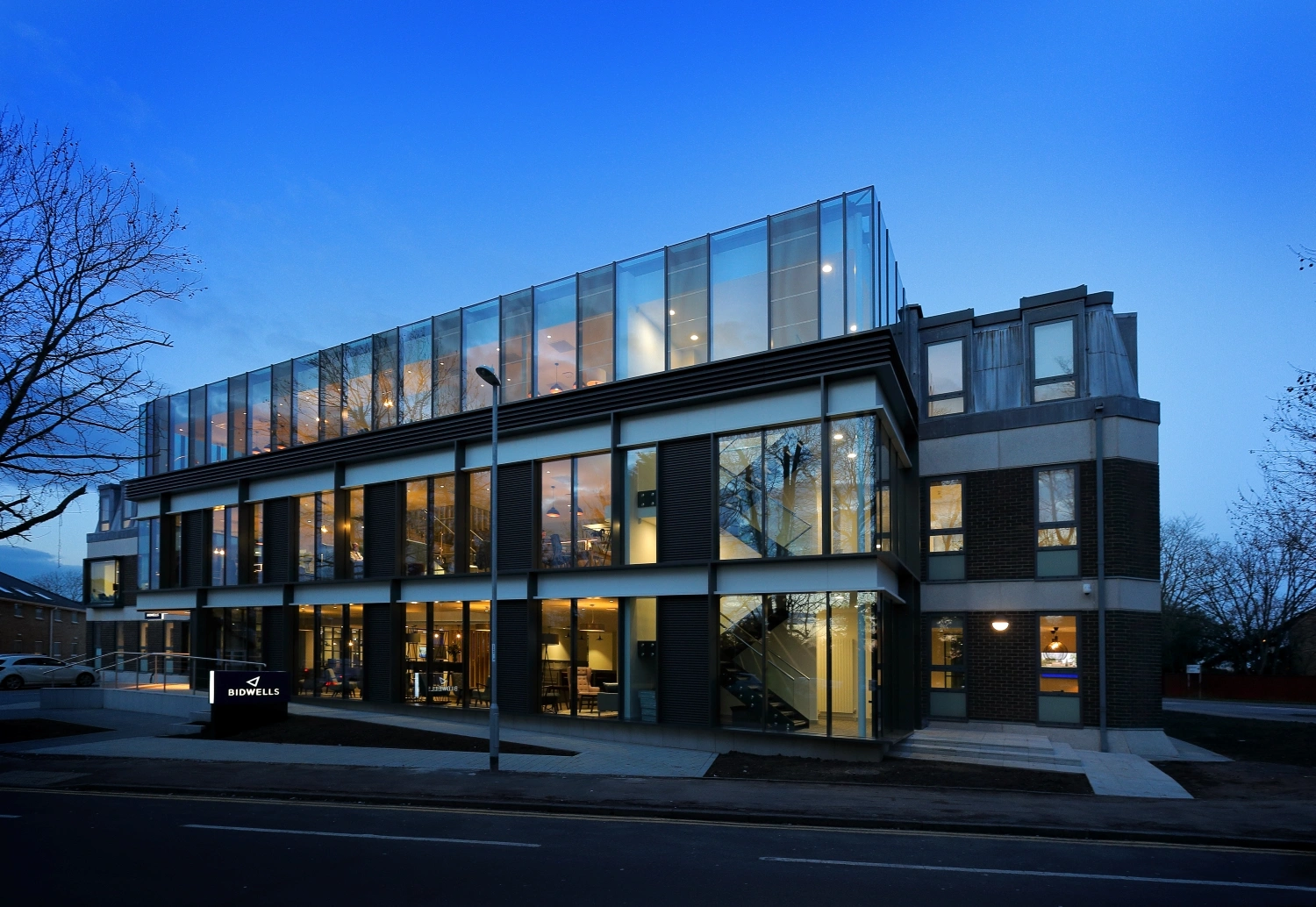
High electricity demand from office appliances, matching solar PV generation pattern.

As an energy-intense industry, manufacturing facilities benefit significantly from having free, clean solar energy.
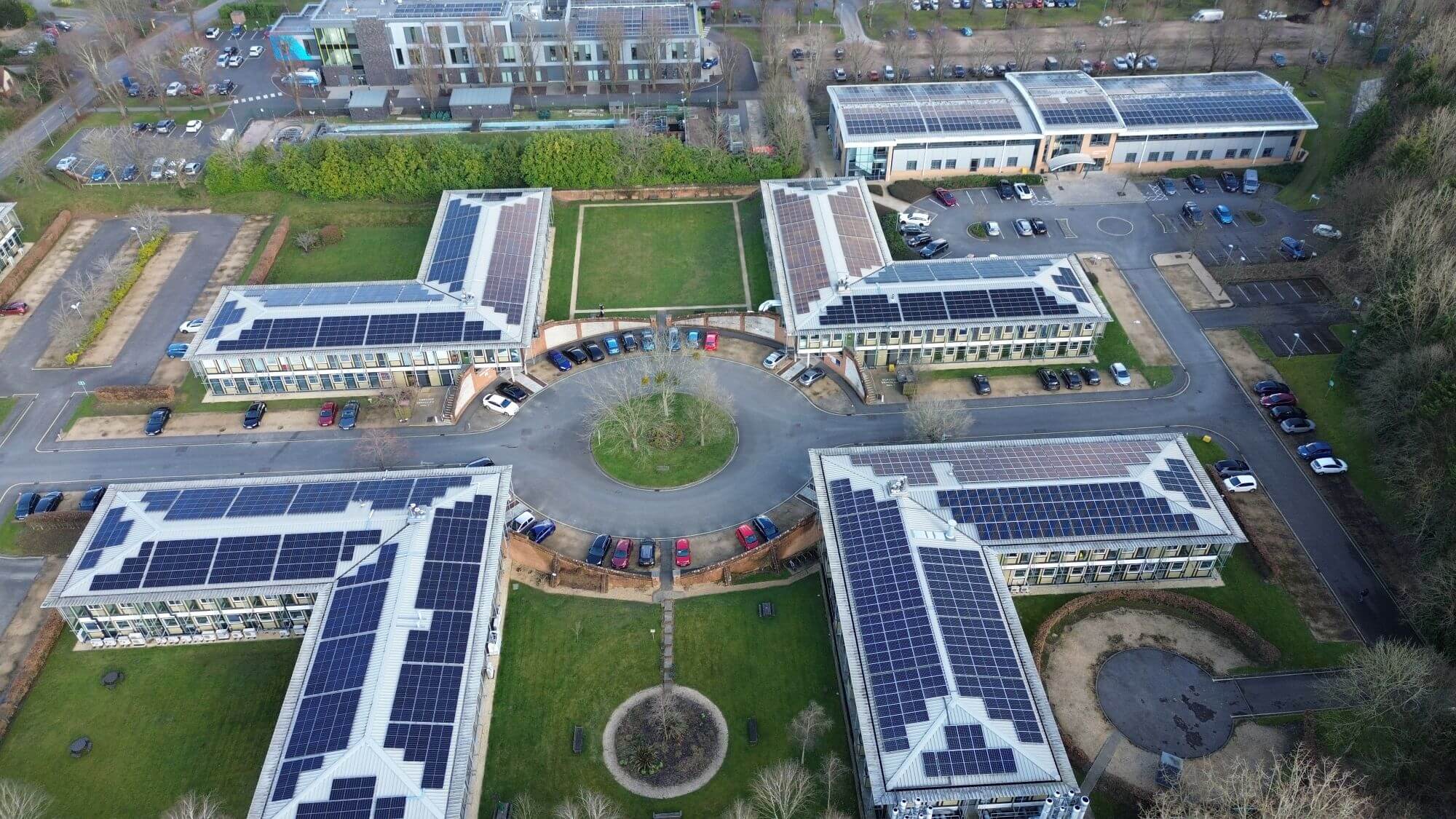
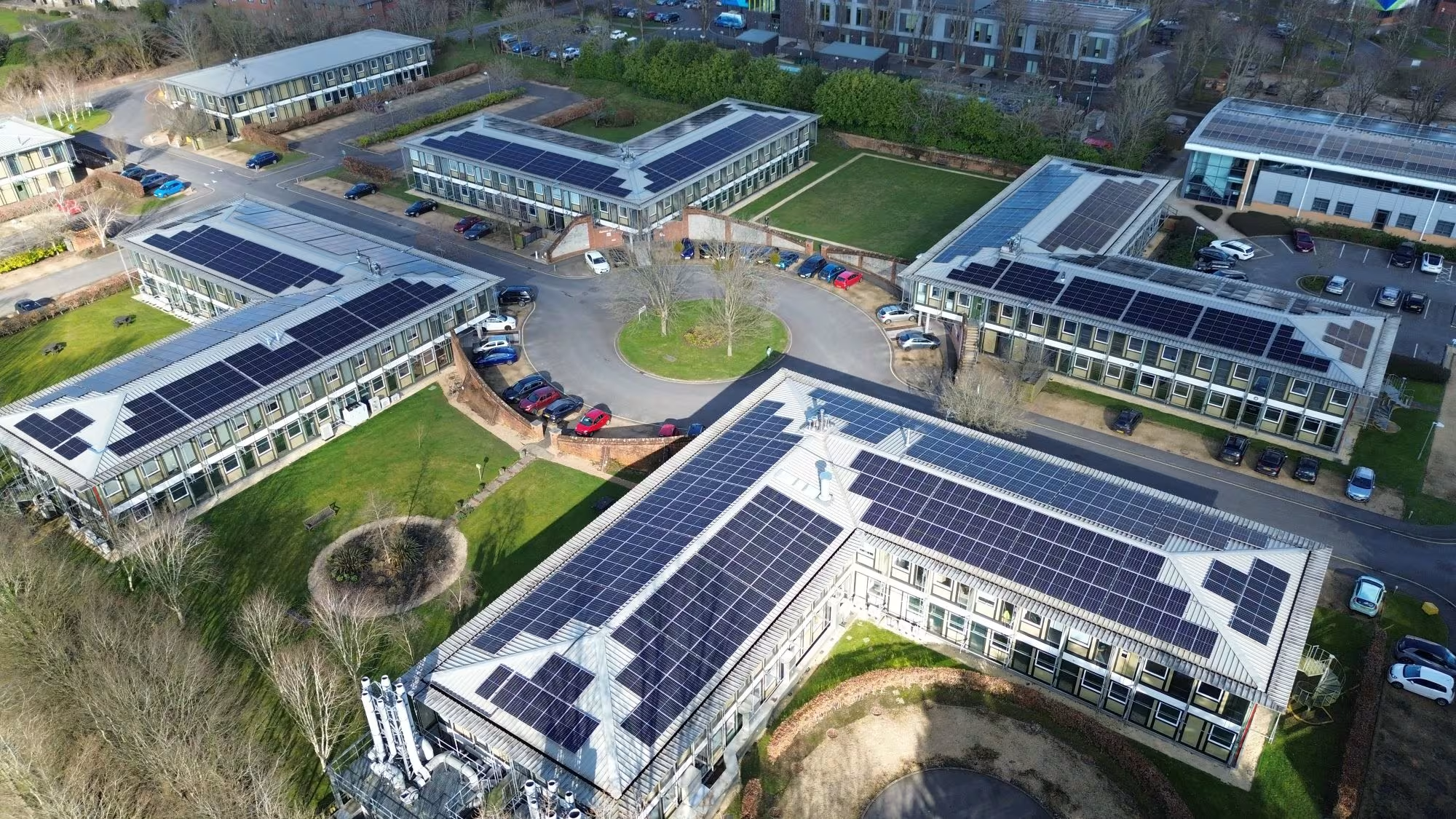
Consistent building upgrade with property value and ESG benefits. Significant operational cost savings.
.webp)
Optimal roof space available for solar panels. Low installation costs and potential for export income

Significant energy demand could be offset by solar energy, reducing operational costs.

Complex roof structure requires solar simulation modelling, matching demand profile with solar generation.

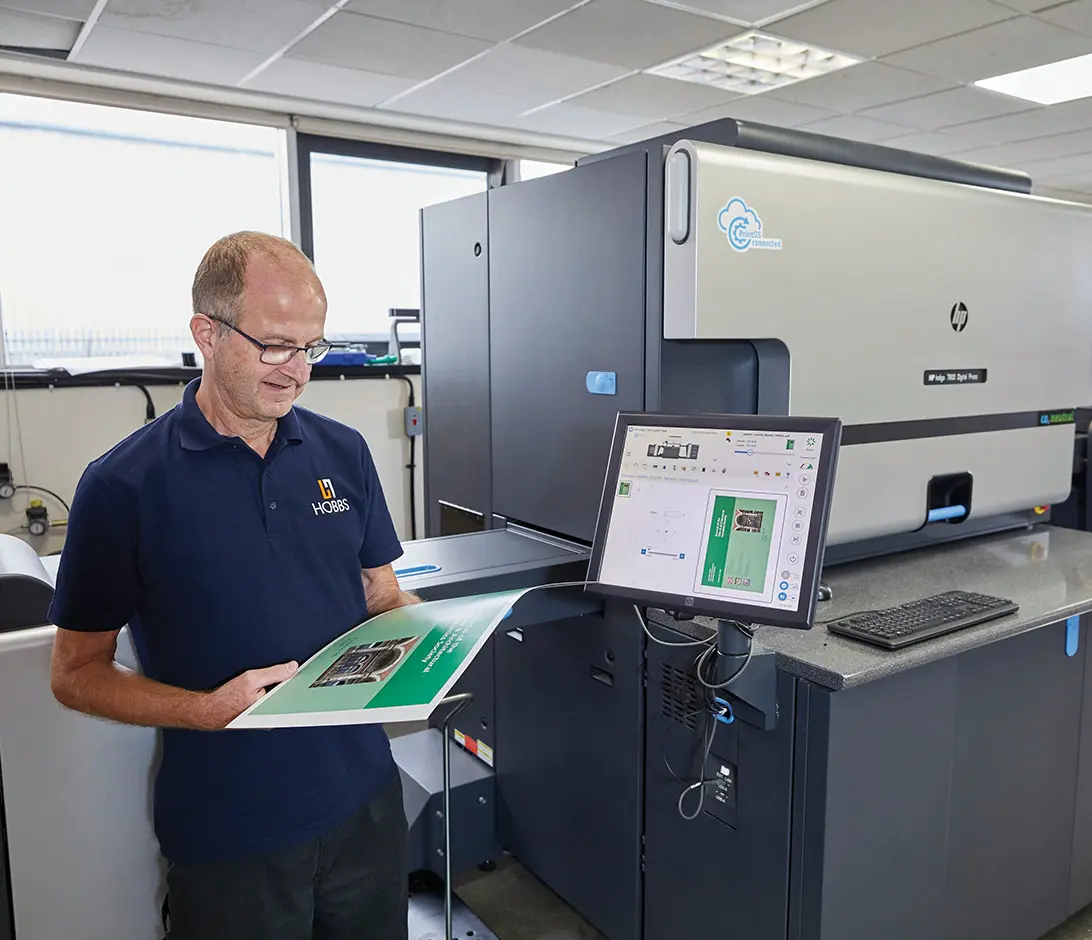
High energy usage by printing equipment offset by renewable electricity, significantly reducing operational costs

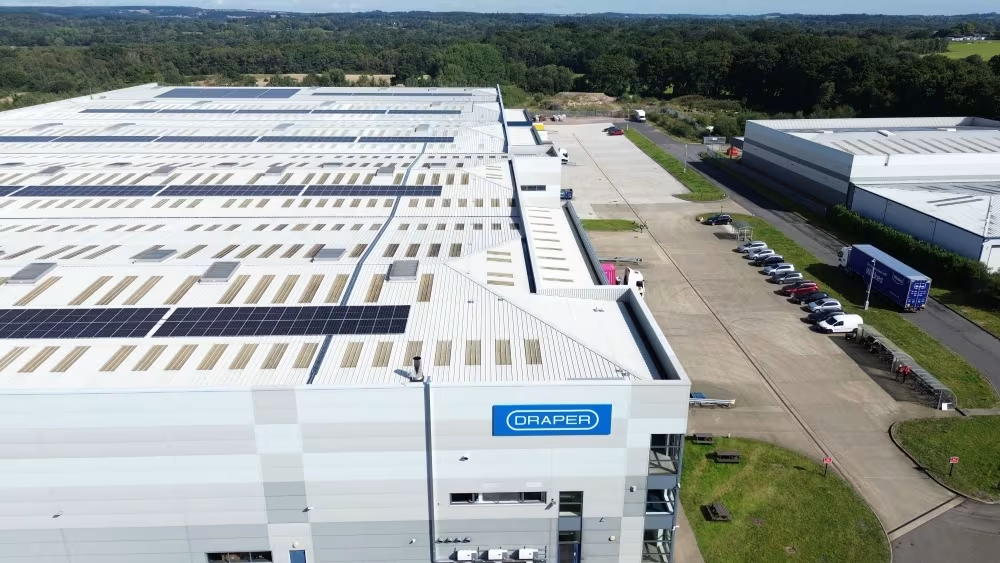
Large rooftop spaces for electricity generation, reducing operational costs significantly.
Energy simulation to match consumption profile with roof space assessment.

Improving ESG, reducing energy costs, future-proof building with energy system upgrade.

Electricity usage in computing equipment met by renewable energy, improving ESG and energy independence.
.jpg)
Constant electricity demand from the use of CNC machines has been offset by clean, free solar electricity.


At Absolar, engineering is at the heart of everything we do. Our commitment to quality starts with rigorous site analysis and design, ensuring every solar installation is tailored for optimal performance and longevity. We don't cut corners; we design systems to last, using proven technologies and components that meet the highest industry standards. Every detail, from panel placement to cable routing, is carefully considered to ensure safety, durability, and efficiency.
For any commercial solar project in Birmingham, our in-house engineering team brings together decades of experience across electrical, structural, and renewable energy disciplines. This expertise allows us to anticipate and solve challenges before they become problems, giving our clients complete confidence throughout the project lifecycle. From feasibility studies to final commissioning, we operate with a no-nonsense mentality - clear communication, sound decisions, and no surprises.
We believe that true engineering excellence lies not just in technical skill, but in accountability. That’s why we stand behind our work, with robust quality assurance processes, performance monitoring, and post-installation support. Whether it’s a rooftop array on a logistics centre or a ground-mounted system for a manufacturing facility, our clients trust us to deliver solutions that perform, year after year.

.avif)










© 2026 Absolar Solutions Limited

.avif)