.png)







Southampton’s thriving port and commercial centres make energy efficiency critical. Solar panels reduce electricity bills and protect businesses from grid fluctuations.
Yes. Southampton receives around 1,600 hours of sunshine a year, comparable to most of southern England, and is well within the UK's most productive solar region. Commercial roofs in and around the city perform reliably well, and the relatively mild, low-shading coastal climate suits solar generation year round.
It depends on roof area, orientation and shading, but as a guide, a mid-sized commercial roof of around 1,000 to 2,000 square metres can typically support a system in the 100 to 300 kWp range. Our remote survey calculates this precisely for your specific building using LiDAR aerial data, rather than relying on rules of thumb.
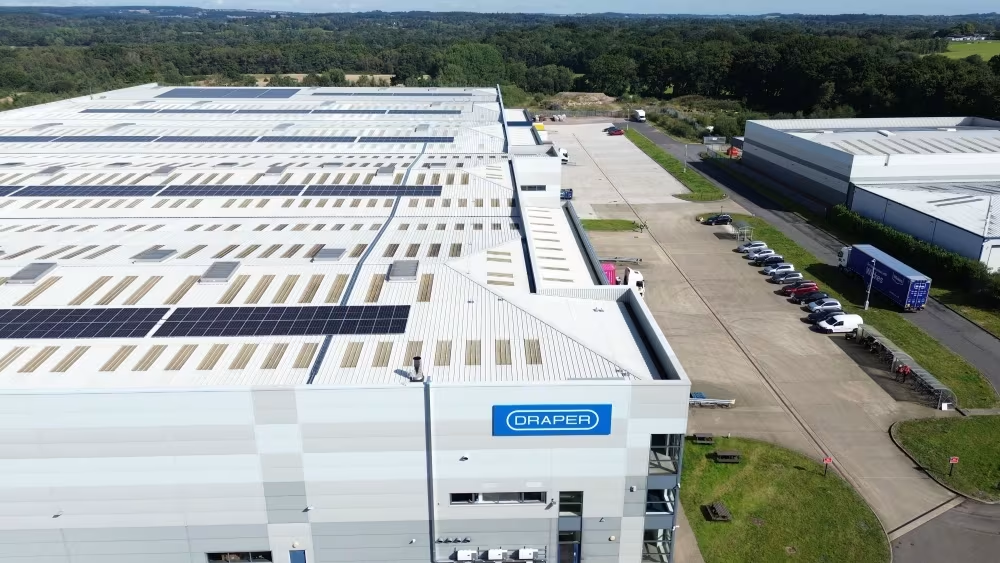
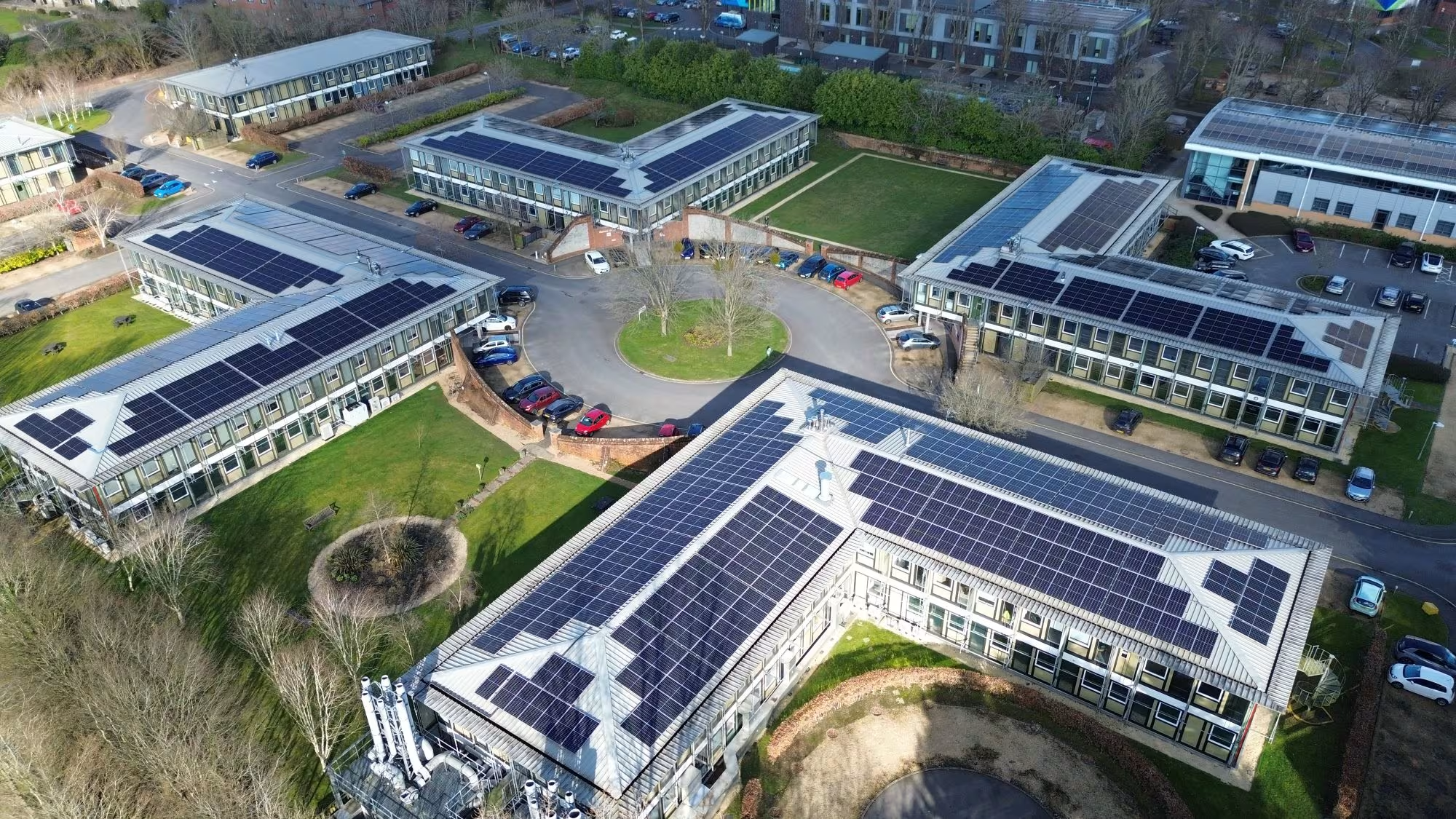
Yes. Absolar is based at the University of Southampton Science Park, and the Science Park campus programme is one of our largest local projects, covering more than 12 buildings and over 1,290 kWp of installed capacity. We have also delivered installations for local businesses including Draper Tools, a 520 kWp system with a modelled four-year payback.
In most cases, no. Rooftop solar on commercial buildings in Southampton typically falls under permitted development rights, the same as elsewhere in England. Listed buildings and sites within conservation areas are the main exceptions, and there are a small number of these around the historic docks and city centre. We check this at the feasibility stage and handle any application required.
Solar PV qualifies for capital allowances nationally, which apply to Southampton businesses in the same way as anywhere in the UK. Local incentive schemes change from time to time, and we keep track of what is currently available so this can be factored into your proposal.
Commercial solar suits offices, warehouses, light industrial units, science and business parks, and multi-site operators. Southampton's mix of port-related logistics, manufacturing and business park space, including the Science Park itself, provides a strong base of roof types well suited to solar, from large flat warehouse roofs to multi-building campus sites.
It is factored into the design rather than a barrier. Coastal exposure means components are specified for wind and salt-air resistance, and roofs near the docks are checked for structural suitability as part of the survey. None of this changes the underlying solar potential, which remains strong across the area.
It can be, as it can anywhere, and capacity varies by substation across the local network. We submit the DNO application early in the process for every project, so any capacity constraint or requirement for network reinforcement is identified before you commit to a system size.
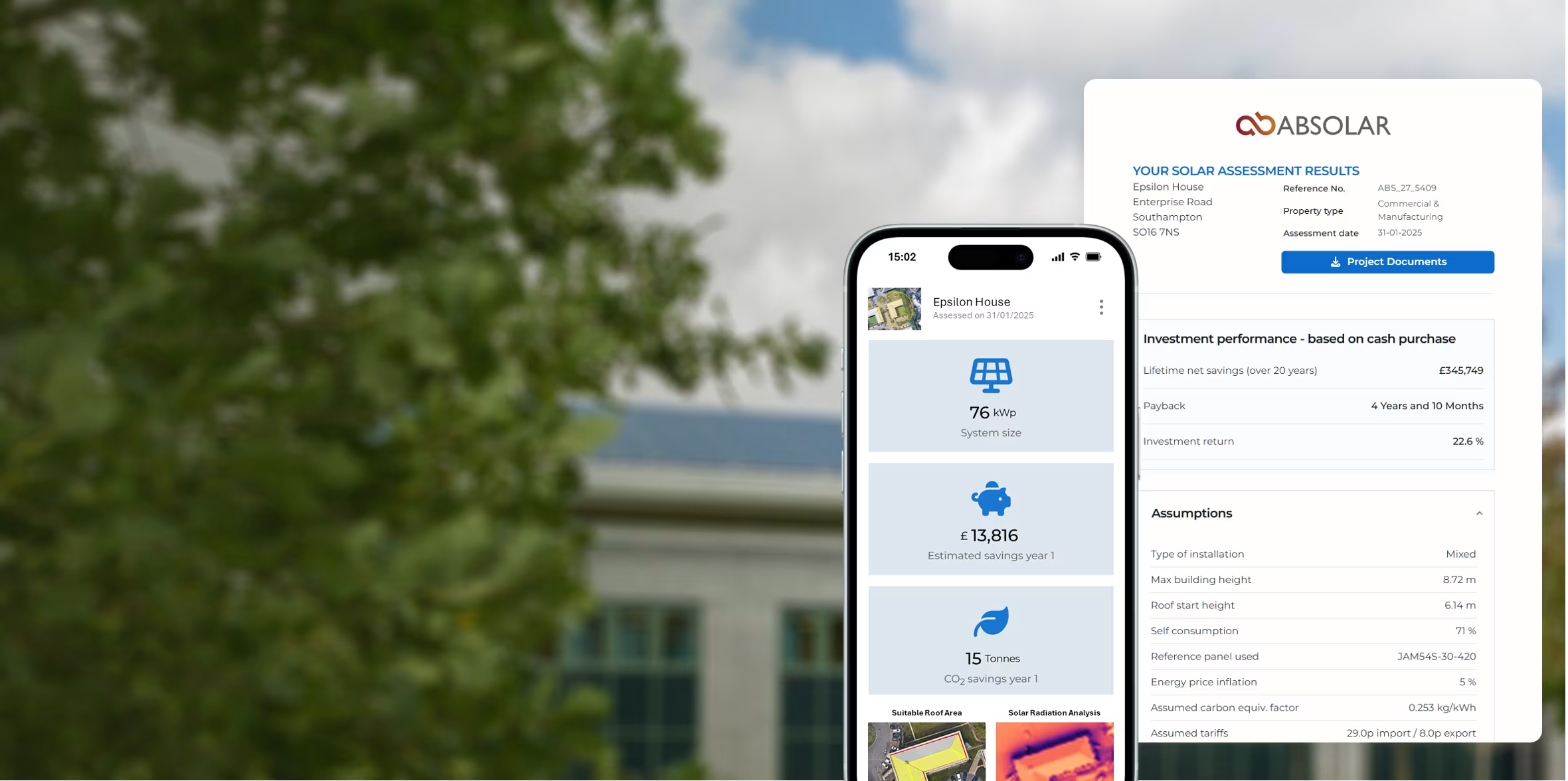
Request a free remote solar survey. Using LiDAR aerial data, we model your specific roof, calculate usable area, simulate generation and give you a costed estimate within 2 working days, with no obligation to proceed.
Absolar supports Southampton businesses—from Ocean Village offices to industrial warehouses—delivering solar systems with tailored designs for local operational needs. Our AI tools and in-house engineering team guarantee long-term performance and maximum ROI, while helping businesses align with city sustainability targets.




Absolar supports Southampton businesses—from Ocean Village offices to industrial warehouses—delivering solar systems with tailored designs for local operational needs. Our AI tools and in-house engineering team guarantee long-term performance and maximum ROI, while helping businesses align with city sustainability targets.
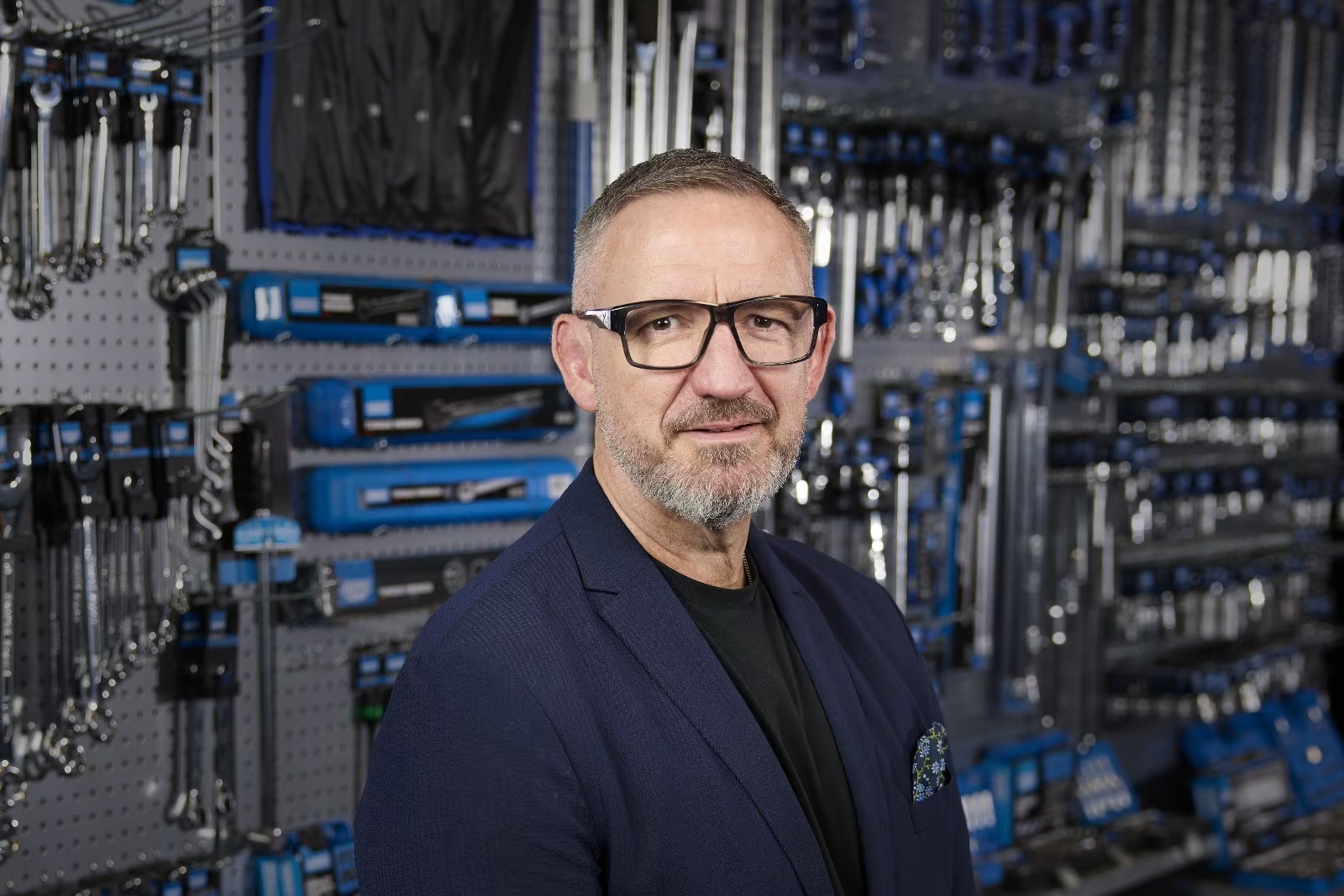



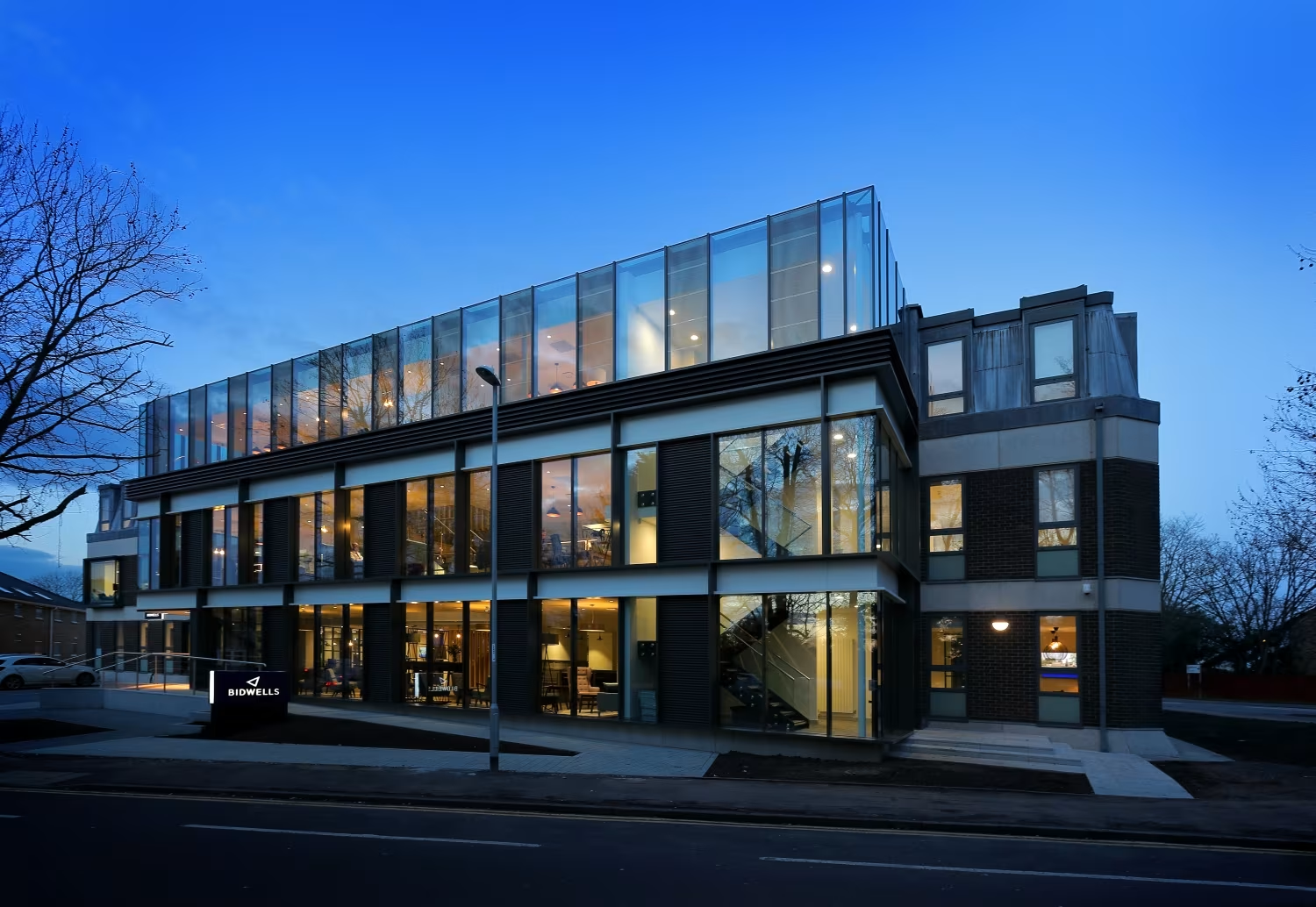

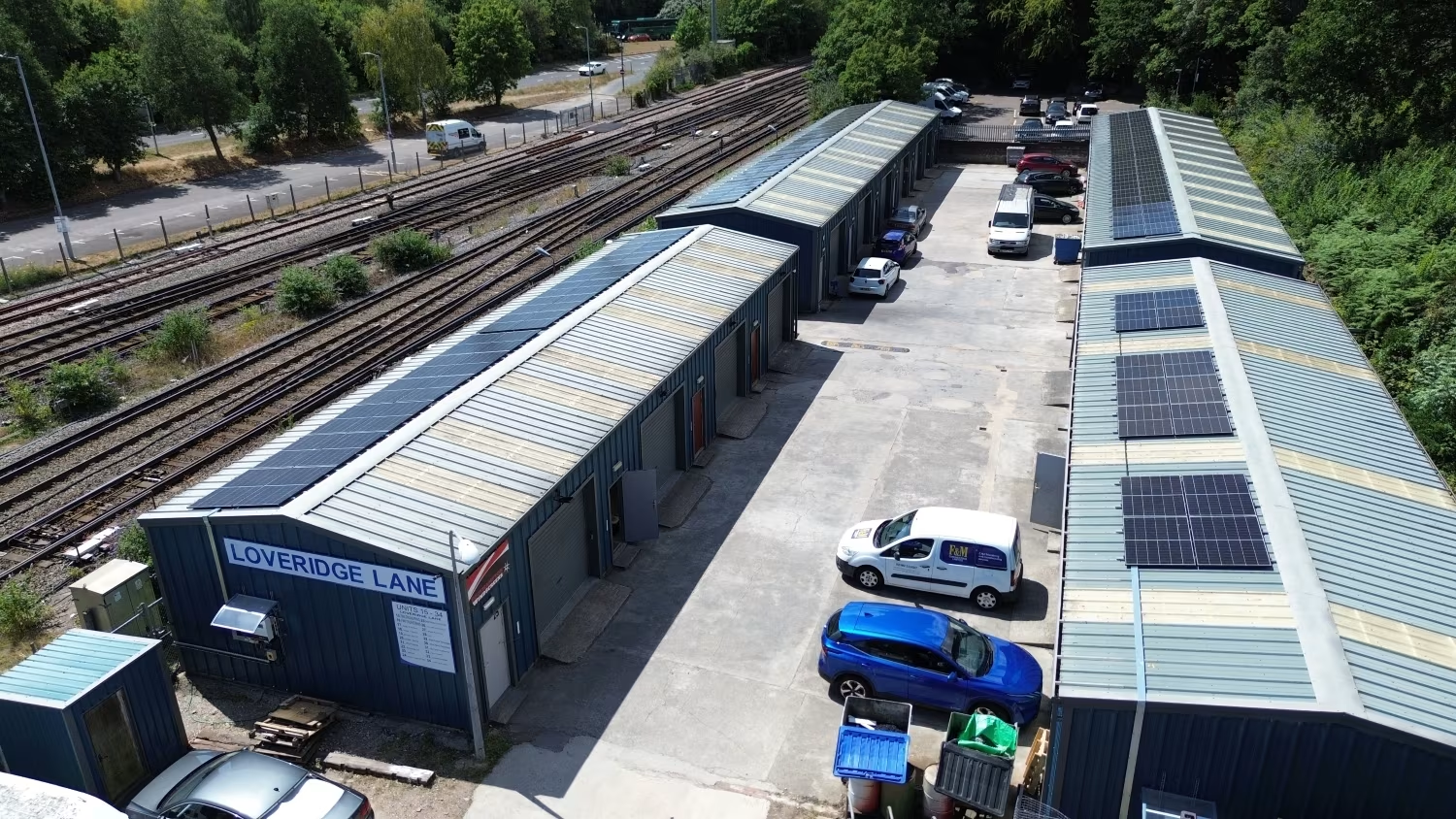

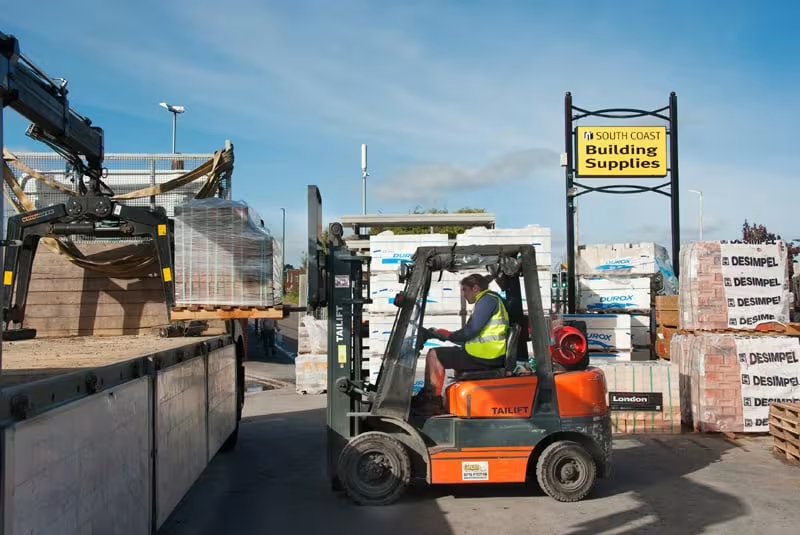


Across these sectors Absolar have installed solar PV systems that have successfully reduced energy bills without any disruption to their business operations.

Large roof space availability. Significant energy bill reduction with additional income stream from energy export.

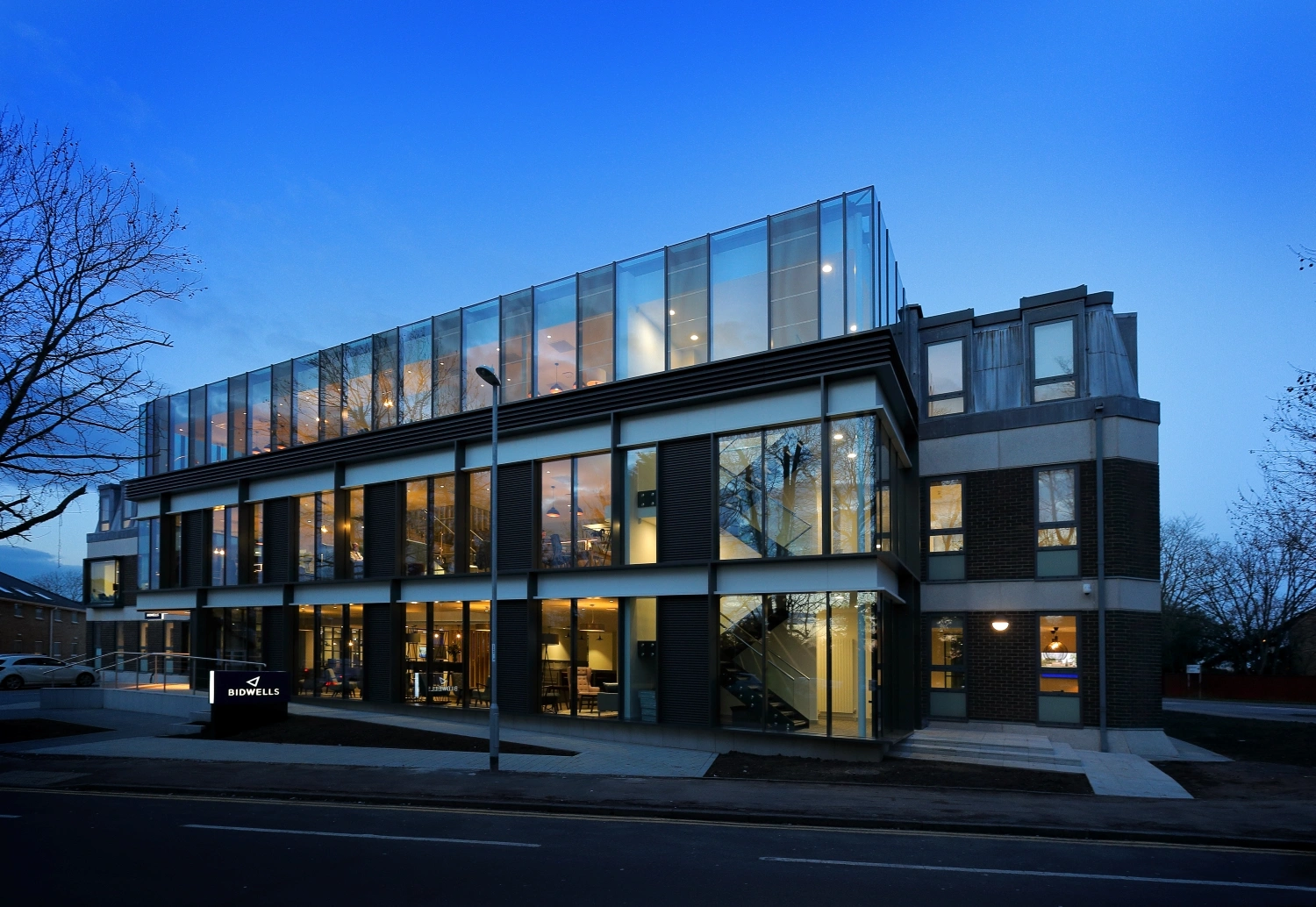
High electricity demand from office appliances, matching solar PV generation pattern.

As an energy-intense industry, manufacturing facilities benefit significantly from having free, clean solar energy.
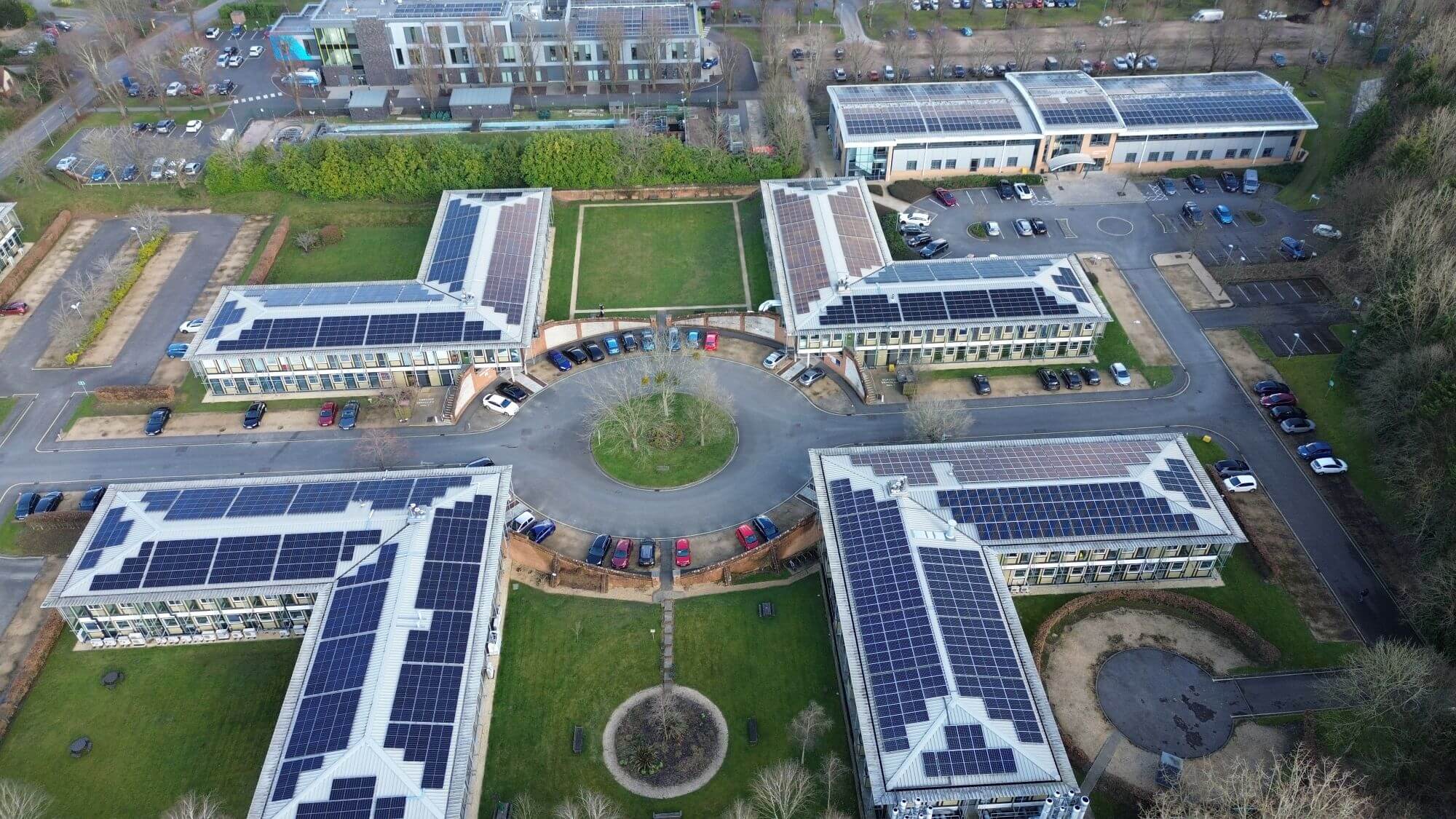
Consistent building upgrade with property value and ESG benefits. Significant operational cost savings.
.webp)
Optimal roof space available for solar panels. Low installation costs and potential for export income

Significant energy demand could be offset by solar energy, reducing operational costs.

Complex roof structure requires solar simulation modelling, matching demand profile with solar generation.

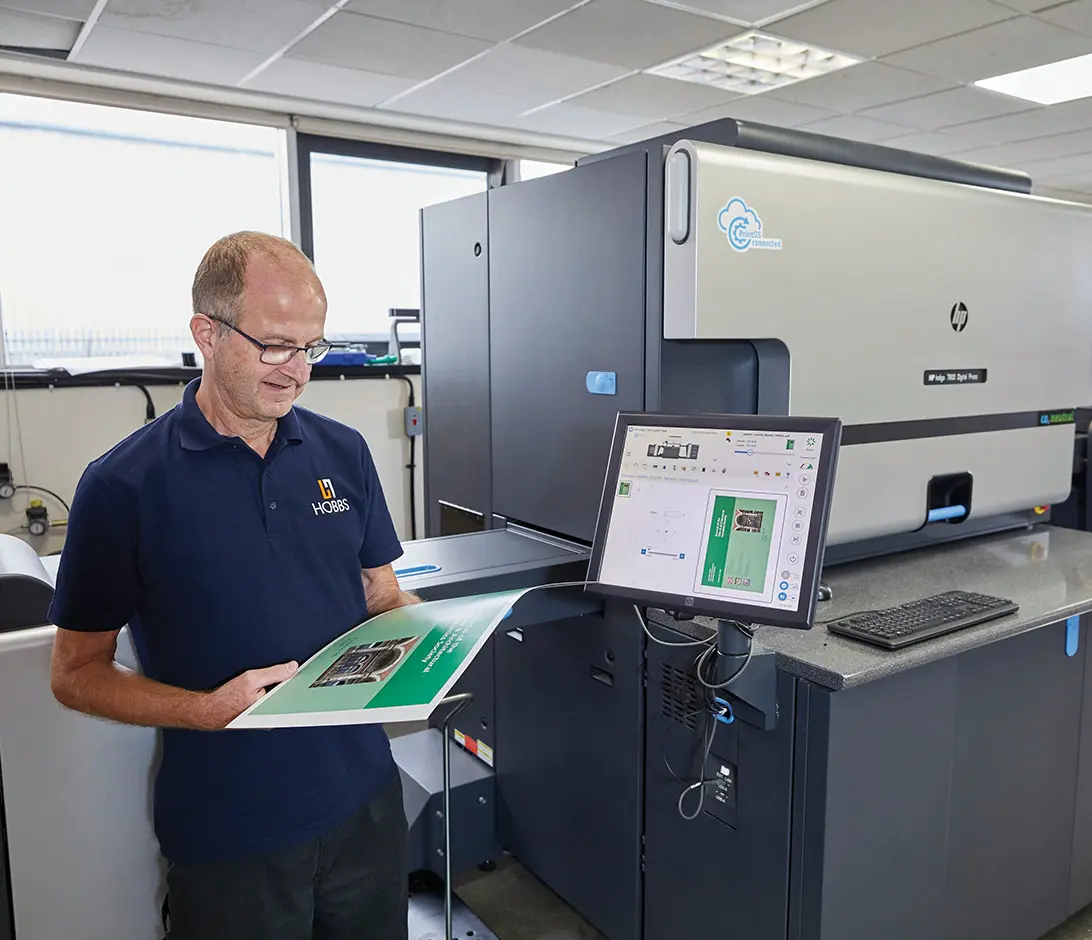
High energy usage by printing equipment offset by renewable electricity, significantly reducing operational costs

Large rooftop spaces for electricity generation, reducing operational costs significantly.
Energy simulation to match consumption profile with roof space assessment.

Improving ESG, reducing energy costs, future-proof building with energy system upgrade.

Electricity usage in computing equipment met by renewable energy, improving ESG and energy independence.
.jpg)
Constant electricity demand from the use of CNC machines has been offset by clean, free solar electricity.


Engineering expertise meets local knowledge. Every rooftop or ground-mounted system is designed with precision, safety, and efficiency, tailored to Southampton’s commercial and port environments. We provide quality assurance, monitoring, and ongoing support to ensure systems perform year after year.

.avif)










© 2026 Absolar Solutions Limited





.avif)